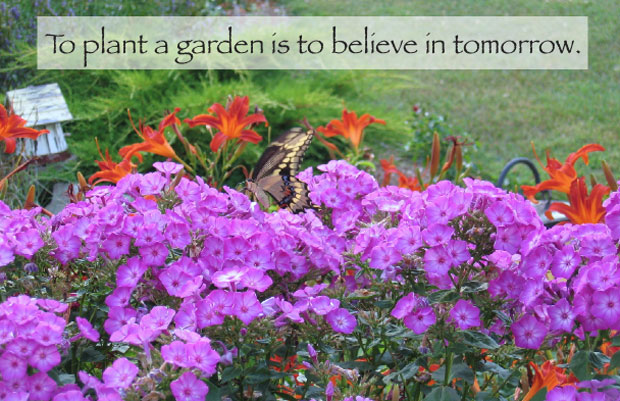
I just ordered my seeds for the coming gardening season. Yes, it is only January 13th, I know. But gardening is a year-round effort, and a rewarding one at that. Perhaps you grew winter crops this season. I chose not to do so for various reasons. Mainly, I needed a little down time. Nevertheless, the planning for spring begins now.
I’ve learned a lot over the years about gardening. The greatest gift gardening has given me is the understanding that everything is an experiment, and you learn more from your failures than you do from your successes. Applying that lesson to life in general is invaluable.
I have attempted, sometimes successfully, many different types of gardening: Traditional, aeroponic, aquaponic, and indoor. Some have worked better than others depending upon the crop, the critters I manage to fend off and those that I don’t, and how successful I am at keeping my chickens and goats away from my precious plants. But I must say, as difficult as traditional gardening can be, there is nothing quite so soothing as digging in the dirt.
Scienti sts have done studies that have sussed out a healing source in dirt: M. vaccae bacterium. It just so happens that this bacterium common in soil is capable of doing everything from helping cancer patients’ symptoms improve to positively effecting, “emotional health, vitality, and even cognitive function.” (Mary O’Brien, Royal Marsden Hospital, London)
I have always suffered from rather severe depression, and after spending in the six figures over my lifetime for psychological assistance and trying many different drugs which did nothing to alleviate my symptoms, I began to notice an odd thing: I suffer far less from depression in early spring and summer–the time periods in which I spend a lot of time in the dirt.
Scientists posit that the M. vaccae bacterium effects the brain’s release of serotonin, a natural “happy drug” that your body can, in different ways, be prodded into releasing into your system. Essentially, the release of serotonin is a natural immune response. Here are some links to information regarding this phenomenon:
https://www.gardeningknowhow.com/garden-how-to/soil-fertilizers/antidepressant-microbes-soil.htm
http://www.cnn.com/2011/HEALTH/07/08/why.gardening.good/
In addition to the above health benefits, a garden can yield incredibly healthy food if planned, planted and cultivated correctly. And of course, there is the positive aspect of the physical exercise you get whilst working a garden.
Gardening is a life-long experiment. It is trial and error. My grandmother began teaching me to garden when I was two or three years old. Forty-some-odd years later, I’m still gardening, still experimenting, still making mistakes, and still learning. It is delightful!
If you are wondering how far ahead I plan, it is usually for a year. I have seeds that I’ll put in the ground now, in early spring, in late spring, and in early fall. There are also some I’ll plant in late fall to overwinter. Don’t be intimidated by all the terms. There are many sites that can give you simple advice about these things, depending upon your climate and soil. I live in Southern California so our growing season is likely more extensive than those living in northern climes. Here are a few places to check:
http://www.diynetwork.com/how-to/outdoors/gardening
Here are a few things I will be planting this year, sequentially from right this moment to later in the season:
- Potatoes (already started)
- Blackberries (already started)
- Cooking herbs (indoor, year-round)
- Lettuce (several varieties, mostly salad greens)
- Spinach
- Asparagus
- Kale
- Carrots
- Onions
- Broccoli
- Cauliflower
- Strawberries
- Zucchini
- Green beans (several varietals including blue bush beans)
- Eggplant
- Peppers
- Corn
- Tomatoes (several heirloom varietals)
- Companion plants (to help keep bugs away from plant yield)
- Squash (like pumpkin and butternut)
Of course, I recommend starting simple. Some of the easiest plants to cultivate are zucchini, tomato and herbs. You have to watch your soil’s calcium levels with zucchini, which you don’t even need a test kit to sort out. If one end of your zucchini gets rotten, you have a calcium problem which is easily solved by grinding up egg shells and applying to the soil. Tomatoes need a more acidic environment, something easily taken care of with coffee grounds. Herbs are easily grown indoors on a kitchen window sill and very simple to care for. Just make sure they have sunlight, water, and a little natural plant food like liquid seaweed.
I hope this inspires you to get started. I know that as you go, you will find that you are always planning and always hoping–for successful sprouting, successful crops, and for a daily reason to excitedly greet the morning and see what is new in your garden. Plan now, eat well later. Happy gardening!
 Ericka's 'Verse
Leave a comment